
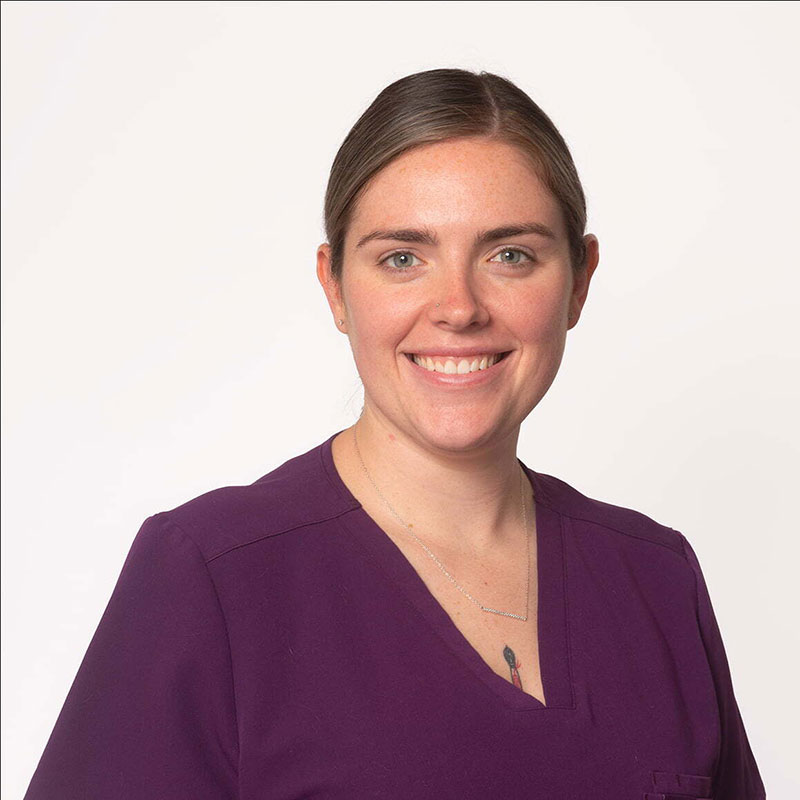
Summer Hill Village Vet has been using VetCheck for just over a year. We sat down with Jordan Lindo — one of the clinic's most engaged users — to hear what's actually changed since they made the switch from paper charts and whiteboards.
Before VetCheck
Like a lot of clinics, Summer Hill Village Vet used to run on paper and a whiteboard.
> Before we started using VetCheck, we were very heavily reliant on paper charts and just physically writing on a whiteboard to keep track of our patients. Everything lived on paper or on the wall, basically.
The shift to digital wasn't instant, but it didn't take long.
> It probably took a month or two for everyone to get their heads around using it. Going from physical to digital can be a little bit hard at first, but for the vast majority of people, everyone picked it up quite quickly.
The biggest day-to-day change
Two things stood out for Jordan: time saved on documentation, and shared access across the clinic.
- Less scanning, less paperwork — patient forms now live in the chart automatically, instead of being scanned and uploaded
- Clinic-wide access — a chart can be pulled up from the dental room or the front desk, no hunting required
- Better visibility — the team can see what's due across multiple areas of the clinic, making it easier to stay on top of things
> It saves quite a fair amount of time — not a little bit, a fair amount. The information can be pulled up from multiple different areas of the clinic. I can be in the dental room and someone can access the same chart from front reception.
Trusting the GA drug calculator
The drug calculator was the feature Jordan was most cautious about at the start — and the one she now relies on most.
> In the beginning I was like, "Oh, do we trust it?" And then every time you double-check, it's always right. So I definitely don't double-check it as often anymore unless something seems wacky — and it rarely ever does, if at all. We trust it wholeheartedly now.
The key, she notes, is keeping body weights up to date — once that's part of the admission routine, the doses just work.
Client communication and team support
Two more areas where Jordan has seen impact:
- Client resources — the team was "quite amazed at the amount of resources" available for client education compared to what they had before
- Onboarding and ongoing support — questions get answered quickly, and the VetCheck team runs video chats whenever the clinic needs further training
> From the VetCheck team, it's been amazing. You guys are super responsive. Every time we have a question, it's answered very easily and quickly.
The financial picture
Jordan was honest about the financial side — she hasn't pulled the numbers, but she sees the lever clearly.
> I'm not so sure about strictly financially, but I definitely feel like it saves time in terms of workflow and getting things done more efficiently.
Time saved compounds: more procedures admitted in the morning, less time chasing paperwork, less burnout on a busy day. That's where the dollar value lives.
Takeaways for clinics considering the switch
- Expect a 1–2 month adoption curve — the team will pick it up, but plan for it
- Start with one workflow, then expand — Summer Hill began with charting, then layered in client comms and discharge instructions
- Trust the calculator, but keep body weights current — accuracy depends on clean inputs
- Lean on support — book the training sessions, ask the questions
A year on, Jordan's verdict is simple: the clinic isn't going back to paper.